The first minutes of a workday often disappear in the search for a pen, a charger or an empty mug. A minimalist home office eliminates that waste by offering only the tools you truly need, arranged so you can sit down and begin. Whether the space occupies a spare bedroom, a kitchen corner, or a narrow wardrobe alcove, the same principles apply: keep the surface clear, control lighting, and store everything else out of sight.
Research on visual attention shows that a cluttered field competes for brain resources, making it harder to lock onto a single task. In a laboratory setting, participants performed better when the screen displayed fewer objects, a finding that mirrors real-world experience: a tidy desk asks fewer questions of your mind. The following guide translates that insight into concrete actions you can take today.
Essential furniture and layout for any space
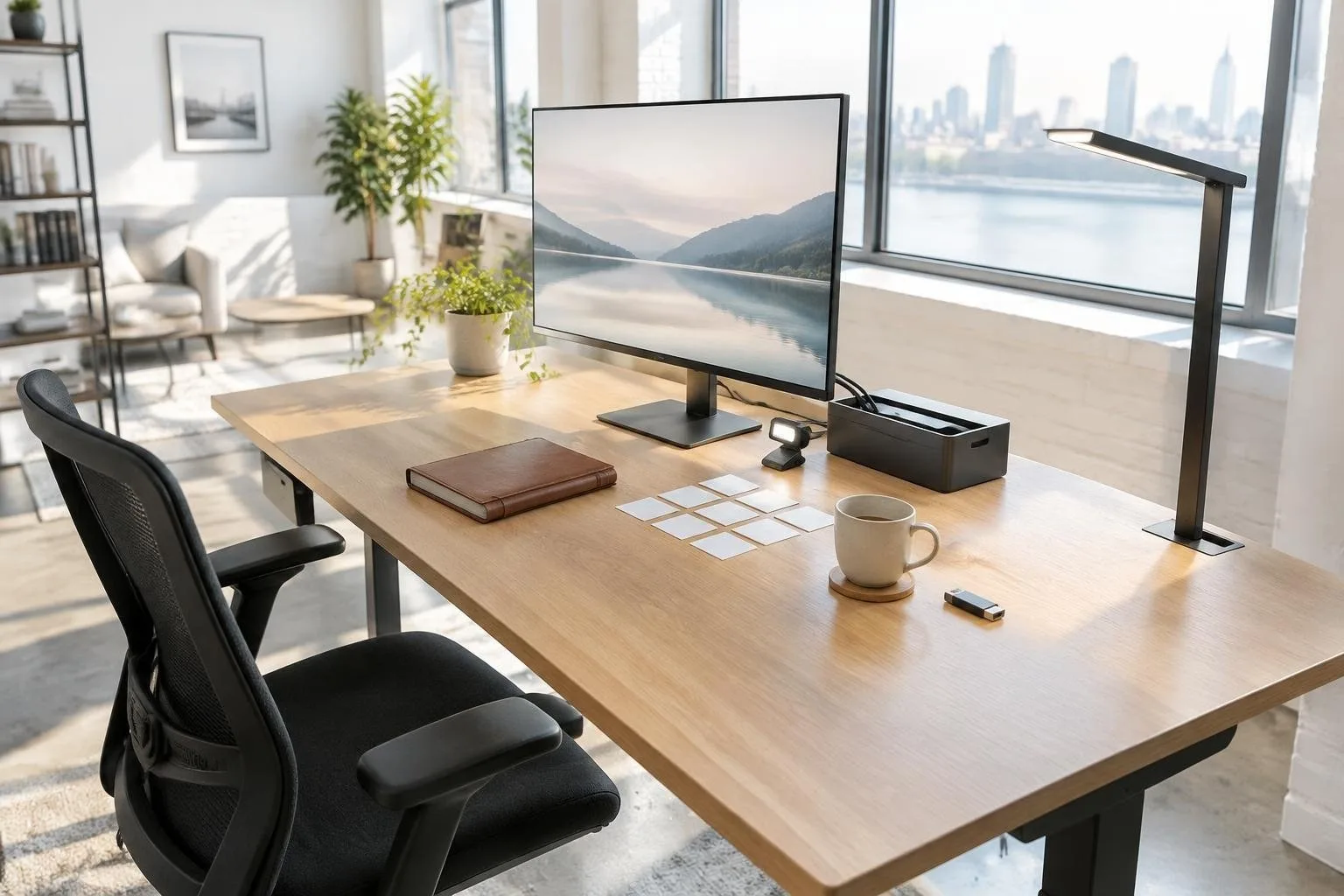
The core of a functional office is a desk that fits a laptop and a notebook, no larger. Pair it with a supportive chair: the one item worth a modest investment because ergonomics protect long-term health. Add a lamp or a window that supplies side lighting, avoiding glare on the screen. Your tech setup should include the computer itself, optionally a monitor or laptop stand if you sit for many hours, and a cable-management system such as clips, ties, or a small box.
Beyond the large items, a single tray or shallow drawer houses everyday accessories: chargers, sticky notes, headphones, and a favorite pen. Keep a small decorative element (a plant, a photo, or a postcard) to personalize the space without re-introducing clutter. This minimal collection satisfies the needs of most remote jobs while leaving ample room for movement.
Light, noise and positioning in small apartments
Natural illumination does more than brighten a room; it regulates circadian rhythms and reduces eye strain. Position the desk so the window sits to the side, allowing soft, diffused light to fall on the work surface. North-facing windows provide steady daylight, while west-facing rooms deliver warm evening hues that can double as a sunset view in lakeside towns.
If the apartment lacks strong sunlight, choose a desk lamp with an adjustable head and a colour temperature that shifts from cool (daytime focus) to warm (evening relaxation). Layer this with an overhead light to ensure consistent illumination on overcast days.
Acoustic comfort is equally vital. Select a room far from shared walls, laundry machines, or traffic corridors. Soft furnishings (area rugs, curtains, upholstered chairs) absorb echo and make video calls sound clearer. Simple upgrades like a door sweep or weather-stripping keep external noise out, and a low-profile white-noise device can mask residual sounds such as a dishwasher or a neighbour’s mower.
Keeping the desk clear: habits and digital declutter
The most reliable way to maintain a minimalist workstation is a brief daily ritual. Spend five minutes at the end of each workday returning pens to the tray, filing actionable papers into a dedicated slot, and wiping the surface clean. This habit not only prepares the desk for tomorrow but also signals to the brain that the work period has ended.
Once a week, extend the reset to drawers, paper trays and the computer desktop. Close unused folders, delete idle browser tabs, and silence non-essential notifications. A digital declutter checklist (for example, keeping only three active folders and limiting open tabs to ten) mirrors the physical approach and reduces invisible distractions.
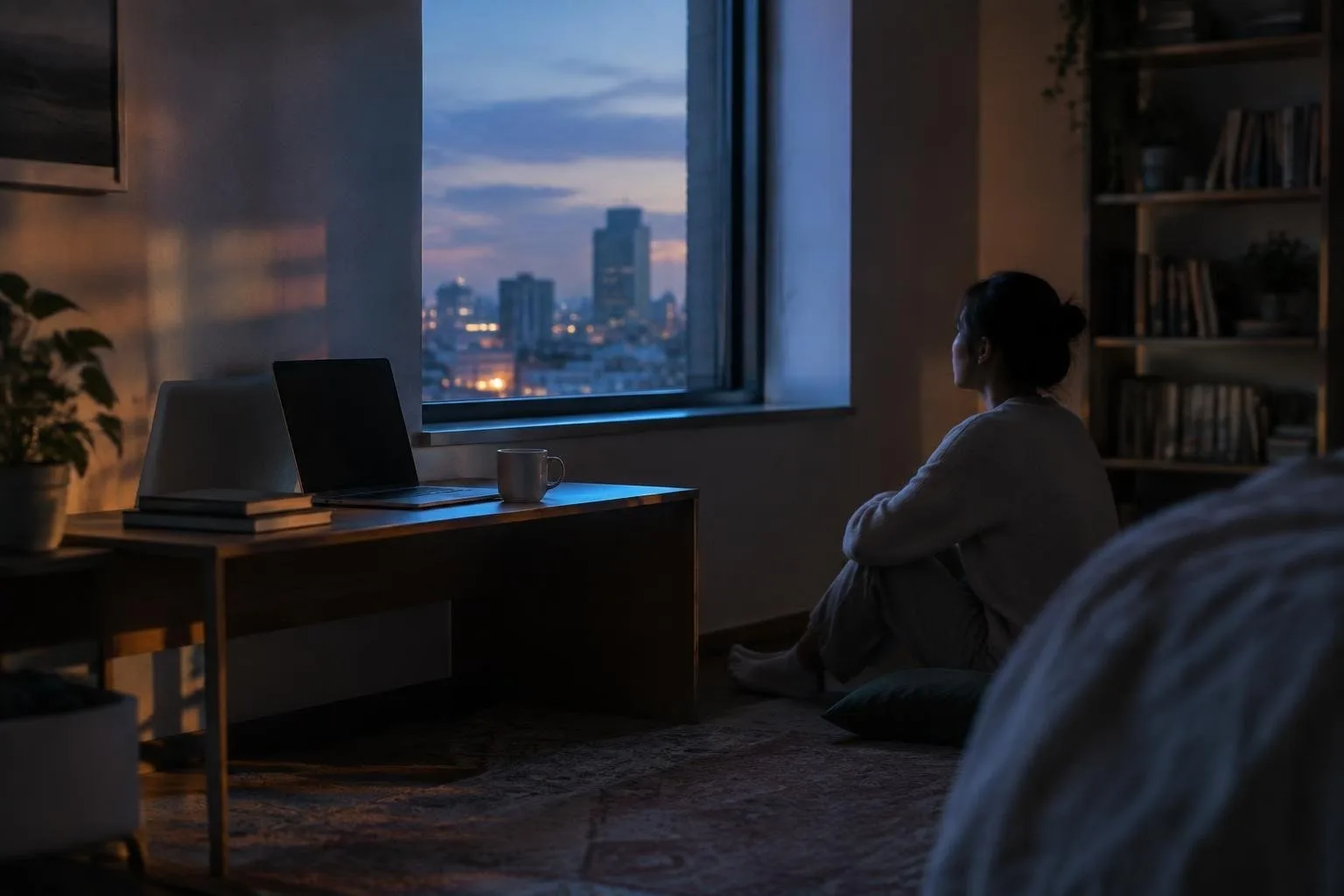
Finally, enforce a physical boundary between work and leisure. Close the office door at a set time, store the laptop in a box or on a shelf, and, if possible, take a short walk outside before transitioning to personal activities. These clear limits prevent the work mindset from bleeding into evenings and weekends, preserving mental well-being.