
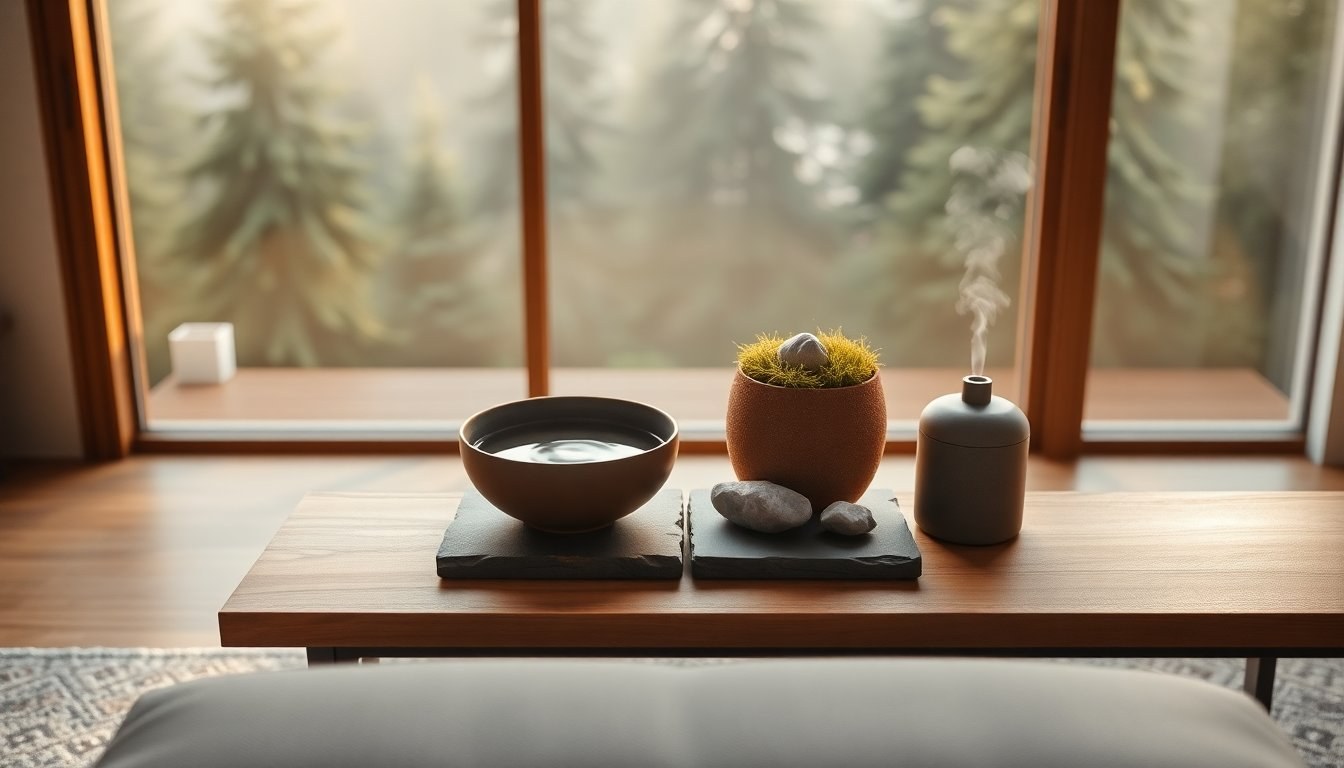
The next iteration of the Northwest Idea House is taking shape under the stewardship of MN Custom Homes, and it will appear in 425 magazine later in 2026. Led by Elizabeth Wenning, the interior design manager, with Lucy Navarro supporting the project, the team is building a home organized around an overarching concept called Elements of Intelligent Living. That theme draws on the classical quartet of fire, water, earth, and air as both symbolic anchors and practical design drivers. As the house moves through construction, the designers are translating these elemental cues into finishes, lighting, and technology so the finished residence reads as a cohesive, sensory experience rather than a set of isolated rooms.
Wenning and Navarro bring deep experience to the project — together their portfolio exceeds one thousand completed homes — and that history shapes how they balance glamour and daily comfort. Their stated approach is to produce spaces that feel luxurious yet livable, with a deliberate wellness emphasis woven into the material choices and room programming. Expect a layered color palette that aims to uplift, alongside biophilic touches that reconnect interiors with the outside. Big windows are used to capture the region’s diffused light, and selections favor textures and tones that soften brightness rather than fight it, creating an atmosphere attuned to Pacific Northwest light cycles and lifestyle patterns.
Concept and narrative
The design narrative leans into a domestic story where technology and the natural world coexist. The team describes the idea as an exploration of intelligent living in which smart systems support human health and the home itself feels responsive. By organizing rooms and details around the four classical elements, the designers intend each area to evoke a specific mood: warming accents for fire, reflective and calming surfaces for water, grounding stone and woods for earth, and open, airy volumes for air. This framework is more than aesthetic; it is an attempt to craft spaces that produce a measurable sense of well-being and to invite occupants to move through a sequence of emotional and sensory experiences.
Materials and a striking kitchen statement
A single decorative piece became the creative compass early on: the Flight wallpaper by Phillip Jeffries, whose pattern of herons and cloudlike movement informed the whole home’s color story. That inspiration led to a slate blue quartzite in the kitchen and a sage-drenched study anchored by a eucalyptus light fixture, reinforcing the motif of motion and natural rhythm. During material sourcing, the team discovered a cool-toned natural quartzite at Stratus Surfaces whose blue veining and leathered texture compelled them to use six full slabs. The island receives special treatment with a double bullnose edge that adds scale and a graphic silhouette while retaining an organic sensibility.
Kitchen as focal point
The decision to make the kitchen a visual and tactile centerpiece reflects a larger trend: homeowners want dramatic, durable surfaces that also feel approachable. The extensive use of full quartzite slabs delivers both beauty and practicality, and the textured finish keeps fingerprints and wear discreet. Paired with carefully chosen cabinetry hues and layered lighting, the kitchen becomes a place for cooking, gathering, and display, rather than merely a functional work zone. The designers intentionally blurred the boundary between performance materials and pleasant surfaces to support everyday life and occasional entertaining in equal measure.
Wellness, technology, and small luxury details
Wellness features are integrated in ways that are subtle but impactful: a water bottle-filling station in the mudroom for daily hydration, a dedicated sauna inside the wellness suite, and a warming drawer to keep towels or robes cozy. The primary bath includes a centerpiece tub: a Bain Ultra Japanese soaking tub designed for upright sitting and enhanced by tiny air-jets that support relaxation and improved circulation. Behind that tub, the design team installed a backlit white quartz wall intended to function as a calming visual plane; the material choice echoes the home’s commitment to combining restorative properties with elegant finishes.
Design for contemporary living
Wenning and Navarro emphasize that modern homes must accommodate variable ways of living: offices one day, entertainment hubs the next, and restorative retreats on demand. The 2026 concept responds by prioritizing flexibility, multifunctional spaces, and health-forward details, mirroring a larger shift toward mindful design practices. Materials, technology, and spatial planning are selected to support remote work, social gatherings, and quiet personal care without feeling contrived. The finished Northwest Idea House aims to show how genuinely comfortable, beautiful design can also be smart and wellness oriented.
Who made it and what to expect
The project is a collaborative expression from MN Custom Homes with Elizabeth Wenning as lead interior designer and Lucy Navarro providing design support; together they distilled lessons from more than a thousand projects into this singular house. The home remains under construction and will be photographed and profiled when complete; readers can look for its feature in 425 magazine later in 2026. When published, the story will capture how elemental motifs, considered materials, and integrated wellness features can reshape the idea of what a Northwest home can be.


