
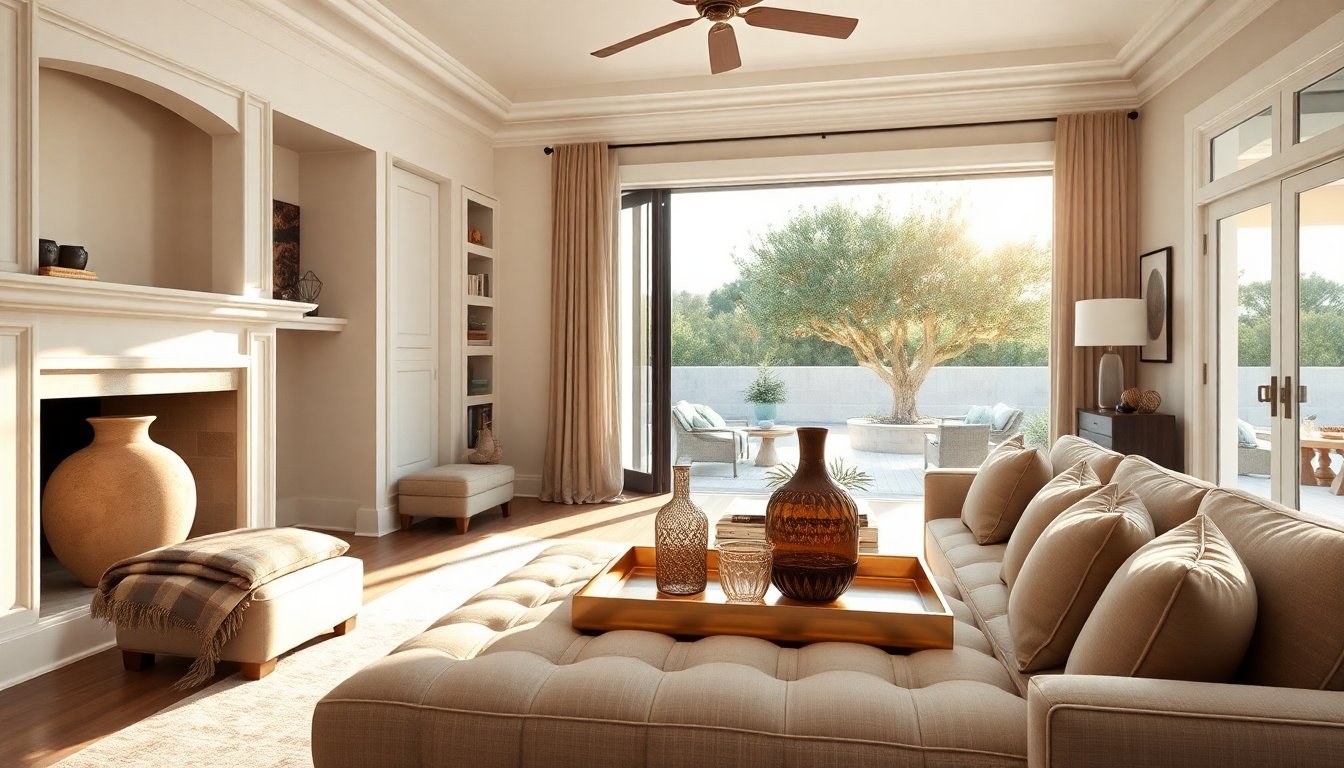
The project in Westlake Village began with a clear respect for what was already working: original millwork, generous volumes, and a layout that offered opportunity rather than a blank slate. Designer Jeremiah Brent approached the house with a simple brief—retain the architectural pedigree while introducing elements of contemporary livability. The family’s lifestyle prioritized entertaining and outdoor time, so the redesign emphasized flow, adaptable seating, and gathering spots that feel as intentional as they are comfortable. At the heart of the plan was the idea of “good bones”—the notion that a well-built shell deserves measured intervention rather than total overhaul.
Brent treated the residence as a stage for life’s everyday moments and celebrations. The home spans more than 10,500 square feet and houses five bedrooms and seven baths, so interventions had to scale without overwhelming the original character. The team added targeted structural and millwork updates, layered natural materials, and reconfigured a few functional nooks to serve modern routines—from quick Zoom calls to full-house parties. This narrative-driven strategy allowed the property to retain its classic cues while feeling fresh and approachable.
Design intent and material strategy
The central aim was balance: to honor the traditional detailing—moldings, proportions, and formal entry—while layering in a playful, contemporary vocabulary. Brent used a restrained neutral palette to unify rooms, relying on texture and surface contrast to create warmth. Signature materials include reclaimed timber beams introduced into the living area to add patina and scale, and a custom Calacatta Paonazzo marble desk tucked off the kitchen for informal work. These choices reflect a principle of mixing the refined with the practical so that spaces read as both curated and lived-in. In practice that meant vintage furnishings positioned with modern sofas, and antique stone elements paired with updated lighting fixtures.
Storage and utility were woven into the aesthetic plan: every cabinet and niche was considered a design opportunity. The kitchen gained discreet organizational solutions behind expansive white cabinetry, and the bar area received bespoke white oak millwork to keep service pieces organized and visible when entertaining. The result is a home where functionality does not interrupt the visual story but instead deepens it.
Room-by-room interventions
Entry, living room, and hearth
The entrance was treated as a moment of theater—an elegant, curved staircase and detailed molding create an immediate sense of occasion. In the living room, vaulted ceilings were softened by the introduction of reclaimed beams and layered low seating, which turns a cavernous space into an intimate conversational landscape. An antique limestone fireplace mantel anchors the room, while an array of sofas and chairs ensures flexibility for gatherings. Lighting was custom-scaled to respect volume, and textiles were selected to read as relaxed luxury—durable yet tactile options that carry the neutral scheme across rooms.
Kitchen, bar, and small functional spaces
For a family that entertains, the kitchen was configured with two islands: one optimized for prep with a secondary sink and integrated butcher block, and the other arranged for socializing with stool seating. Surfaces combine resilient materials—such as engineered counters and ceramic backsplashes—with more artisanal moments like the custom marble desk nearby. The adjacent bar features a custom slate-and-bronze table and woven barstools, framed by custom millwork that stores glassware and spirits. Even the powder room was layered for character, using deep Roman clay paint to create a velvet-like backdrop for brass antiques and a marble basin, demonstrating how small rooms can deliver big design statements.
Private quarters, outdoor rooms, and concluding notes
The primary suite reads as a calm retreat, wrapped in linens and layered neutrals that make the bedroom feel like a nest. Architectural trim was used to soften sloped ceilings and create cozy proportions, while custom upholstery and bedside lighting maintain a quiet, collected mood. A playful, high-design approach extends into the daughter’s playroom—artwork and sculptural furniture elevate the space so it harmonizes with the rest of the house while remaining kid-friendly.
Outdoors, a series of arched trellises and a rose garden were arranged to create distinct seating areas and a sense of structure for climbing plants. Durable indoor-outdoor textiles and integrated lighting make these spaces usable into the evening, aligning with the family’s focus on al fresco life. Overall, the renovation preserves original strengths, inserts intentional modern comforts, and frames the home for the next chapter of memories. The project demonstrates how careful material choices and spatial edits can convert a large house into a cohesive, hospitable family home.
About the designer
Jeremiah Brent is an interior designer and founder of a full-service design firm with offices in Los Angeles and New York City. His practice centers on personalized, story-driven interiors that respect a client’s history while preparing a home for future living. This Westlake Village project exemplifies his approach: modest structural changes, layered materials, and thoughtful furnishings that together create a home both timeless and tailored.


