
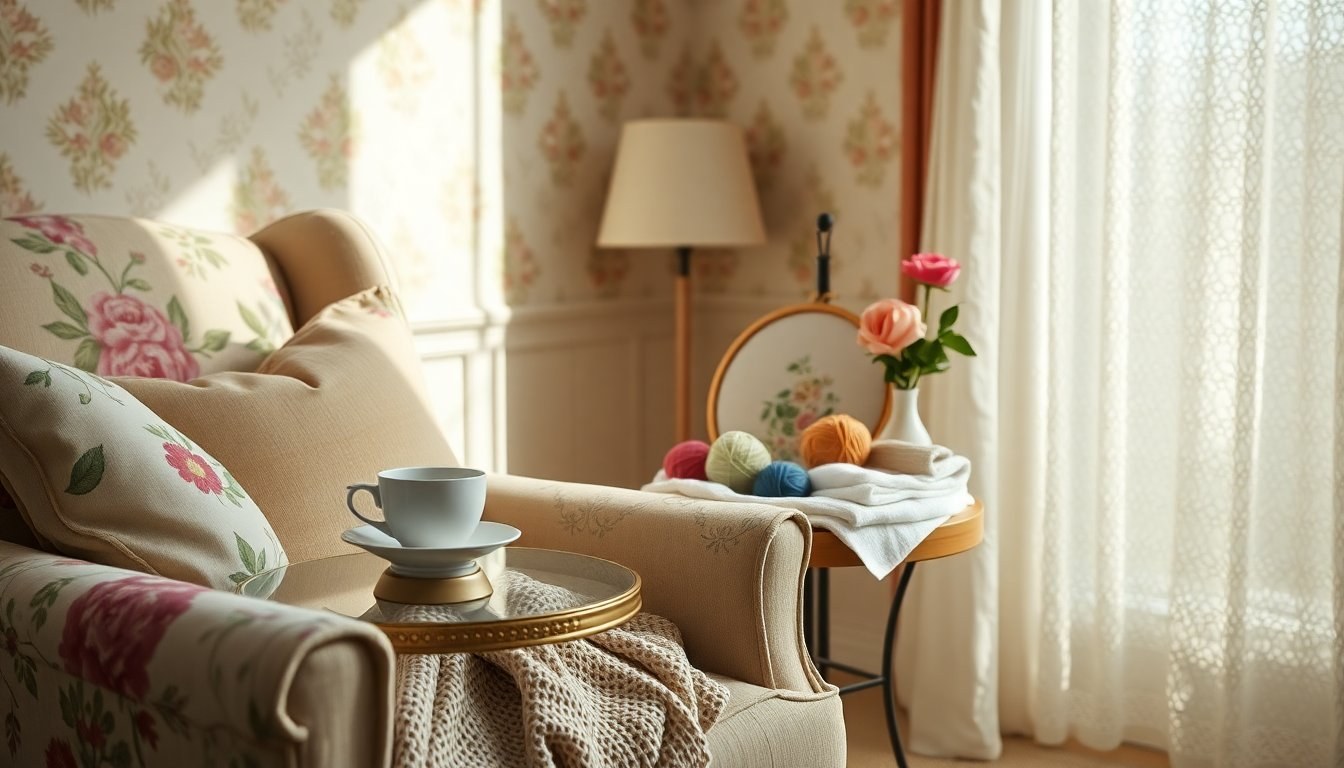
The renewed affection for what many call the grandma aesthetic has migrated from family photo albums into living rooms, social feeds, and shopping carts. This shift includes a return to long-cherished pastimes like knitting, gardening, and needlepoint, alongside an appetite for interiors filled with antiques, patterned wallpapers, and cozy textiles. House Beautiful first popularized the term grandmillennial, and its influence now overlaps with other nostalgic currents such as cottagecore and the so-called coastal grandmother look.
To understand why these traditions and objects feel newly relevant, mental health experts point to emotional and cultural drivers rather than mere fashion cycles. Clinicians note that individuals—especially younger adults who grew up online—are turning toward slower rituals and familiar aesthetics as a form of self-care. The appeal is not just decorative; it is psychological, social, and often deliberate.
Why the grandmother aesthetic resonates
At the core of this revival is nostalgia, a complex emotion that connects us to past relationships, routines, and identities. Psychologist Dr. Melissa Gluck describes nostalgia as a healthy social feeling that strengthens belonging and revisits earlier parts of ourselves. In practice, choosing a handcrafted blanket or an heirloom teapot can act as a tangible bridge to comforting memories. Experts explain that when people curate homes and habits that recall familial warmth, they are creating environments that feel more predictable and emotionally safe.
This tendency intensifies during periods of societal strain. Dr. Easton Gaines points out that every generation experiences retrospective longing, but the current intensity feels unique given constant digital stimulation and social pressures. When daily life is fragmented by endless notifications, slow crafts and timeworn décor offer a counterbalance: they emphasize presence, routine, and the small rites that make life feel anchored rather than optimized.
Nostalgia, emotion, and marketing
Commercial forces have noticed and amplified this craving for the past. Brands use what is often called nostalgia marketing to tap into feelings of familiarity and comfort, packaging products with a homespun or retro vibe to increase emotional resonance. While the tactic helps explain why certain items feel irresistible, psychologists caution that underlying emotional needs—such as the desire for belonging and safety—are the deeper engines. The marketing simply puts these symbols into circulation more efficiently.
Cultural context: modern burnout and the search for ritual
Beyond curated feeds and retail strategies, broader cultural currents play a part. Many people describe a pervasive sense of collective exhaustion—a fatigue tied to relentless productivity norms, economic uncertainties, and polarized public life. In response, slow-paced hobbies and traditional decor are not just aesthetic choices; they operate as micro-resistances to a life ruled by speed. As Dr. Alfonso Ferguson frames it, adopting grandmotherly rituals functions as an emotional regulation technique: the repetition of a simple craft or a weekly shared meal reduces anxiety and restores equilibrium.
How to bring the style and habits into your life
If you want to explore this lifestyle, begin with a single ritual or corner of your home. Try a slow-paced hobby—knitting can enhance focus, birdwatching encourages mindful observation, and working with clay or plants can improve mood and motor skills. Experts emphasize that skill level is irrelevant: the goal is the restorative rhythm and the pleasure of creating rather than perfection. These activities provide immediate tactile feedback that counteracts hours spent scrolling on screens.
Design languages to explore
When translating the aesthetic to interiors, consider a few established vocabularies. Cottagecore leans on pastoral charm and cozy textiles; English country favors muted palettes and visibly loved furnishings; coastal grandmother offers airy, seaside-inspired minimalism; and grandmillennial blends patterned wallpaper, traditional motifs, and deliberate layering. Choosing one approach helps guide purchases and makes it easier to mix vintage finds with contemporary pieces without creating visual conflict.
Practical tips for sourcing and curating
To achieve an authentic sense of history, prioritize secondhand shopping. Hunt for treasures at thrift stores, estate sales, and specialized vintage platforms instead of relying solely on new reproductions. The patina and imperfections of older objects deliver the lived-in warmth central to this aesthetic. Curate slowly, allowing time to discover pieces that resonate; the process itself becomes part of the pleasure. In short, the trend is as much about how you live as how you style: slow rituals, meaningful objects, and communal habits create a home that feels like an heirloom.


