
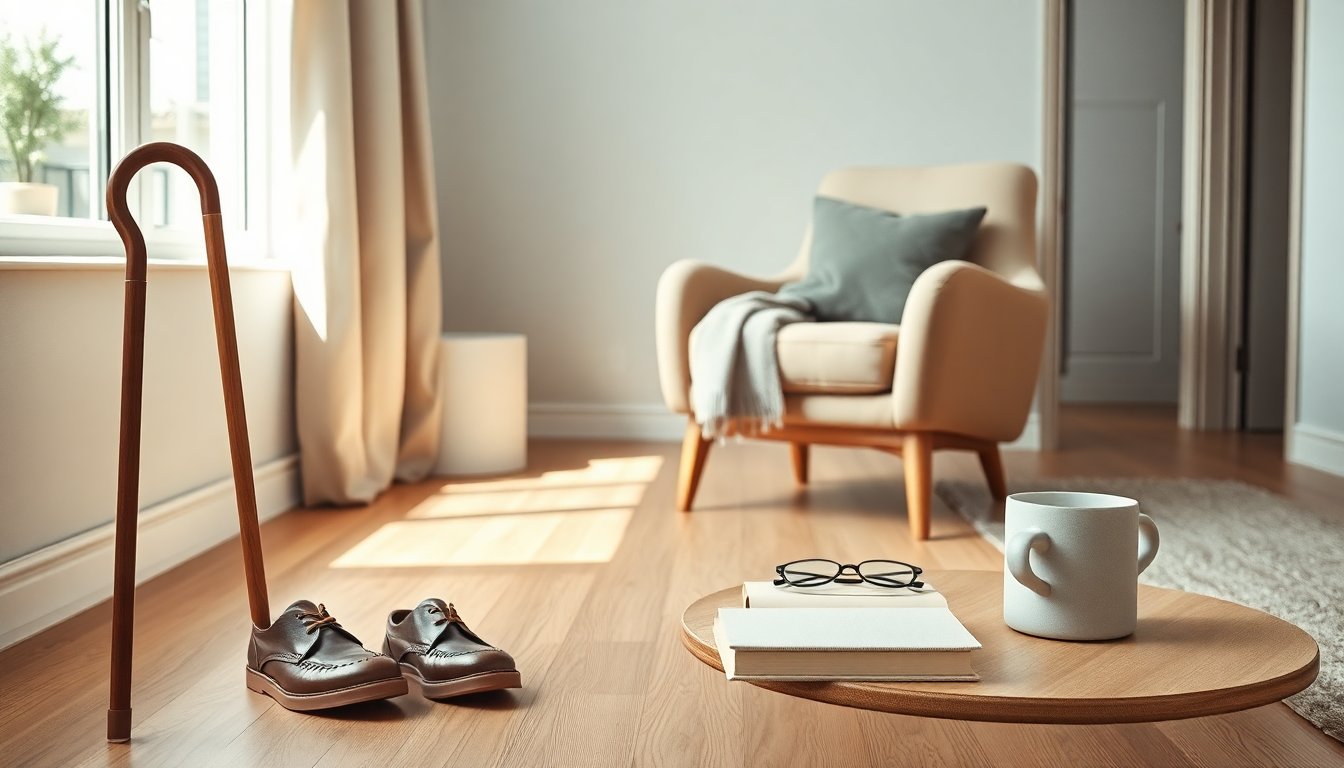
Reimagining your living space after age 60 is less about chasing trends and more about thoughtful editing. Many of us arrive at this phase with decades of furniture, accessories, and habits accumulated for different life stages. A deliberate approach — one that emphasizes aging in place, ease of movement, and aesthetic clarity — can transform a house into a calm, functional home. Start by identifying what no longer serves you, and consider how each room flows into the next to create a quieter, more breathable environment.
Decluttering is not a one-time chore but a design strategy. Clearing visual noise improves focus and reduces stress, while measured replacements can add both comfort and dignity. Prioritize interventions that reduce risk and increase daily ease: level transitions between floors, swap overly low seating, and assess textiles. Small changes often yield big differences in how a space feels and functions. Think of this phase as selecting a finer wardrobe for your home — pieces chosen for quality, comfort, and longevity rather than for fleeting usefulness.
Prioritize safety without giving up style
Safety upgrades do not have to look clinical. Addressing tripping hazards and visual confusion should come first: remove thick throw rugs that create uneven thresholds, and replace abrupt flooring shifts with smoother transitions. In bathrooms, consider installing curbless showers — a design-forward choice that also eliminates a common fall point. Use high-contrast flooring or trim to clarify edges and changes in grade; these visual cues help prevent slips by improving depth perception. When you plan these updates, keep aesthetics in mind so that practical features feel integrated and intentional rather than afterthoughts.
Stairs and grab points that actually work
Staircases warrant careful attention because they’re a frequent site of injury. Have a professional inspect your handrails for grip diameter, secure anchoring, and correct height; older homes often fall short of modern expectations. A well-designed railing can be both a sculptural element and a safety device. Inside the house, distribute grab points near toilets and showers where needed, selecting finishes and shapes that match your decorating sensibility. Making these adjustments early preserves independence and reduces anxiety about moving from room to room.
Replace dated items with functional, timeless choices
Some pieces age poorly in both appearance and usefulness. Large, ornate entertainment centers that once housed bulky electronics are often unnecessary today; modern flat screens and compact sound systems can be mounted or placed on sleek consoles to free up visual space. Similarly, consider whether a formal dining room is earning its keep: if it’s used infrequently, repurposing it as a library, studio, or cozy lounge may provide more value. When handling rooms kept as guest or grown-child spaces, update beds and remove youthful memorabilia so the area feels welcoming for adults rather than frozen in the past.
Textiles, accents, and seating that respect comfort
Replace flimsy or mismatched linens with a cohesive set that reads calm and hotel-inspired; matching sheets and towels elevate everyday routines. Trade dusty, plastic floral arrangements for fresh bouquets, high-quality silk, or dried stems that read modern rather than disposable. Sofa height is another practical detail: many contemporary sofas sit very low, which can make standing up harder as mobility changes. Aim for seating around 18–19 inches high with a firmer seat for easier transitions. Pair a slightly taller sofa with a low-profile coffee table to keep a sleek silhouette while improving usability.
Invest in pieces that celebrate this stage of life
By your 60s, you may feel free to stop prioritizing only practicality and begin investing in items that delight. Replace worn, low-cost furniture kept for resilience to busy children with pieces that feel luxurious and personal. Think of indulging in a cashmere throw, a sculptural lounge chair, or silk window panels that puddle just so; these choices reward daily life. The goal is a home that reads as intentional and curated, where each object contributes to comfort, quality, and personal expression rather than acting as a temporary compromise.
Start small: pick one room, identify three things to remove and two to upgrade, and plan changes that improve both safety and enjoyment. Consult professionals for structural concerns like stairs or bathroom rework, and take time to source enduring fabrics and furniture. With a focus on declutter strategies, sensible safety improvements, and thoughtful replacements, your home will become a more comfortable, stylish, and secure place to live well at any age.


