
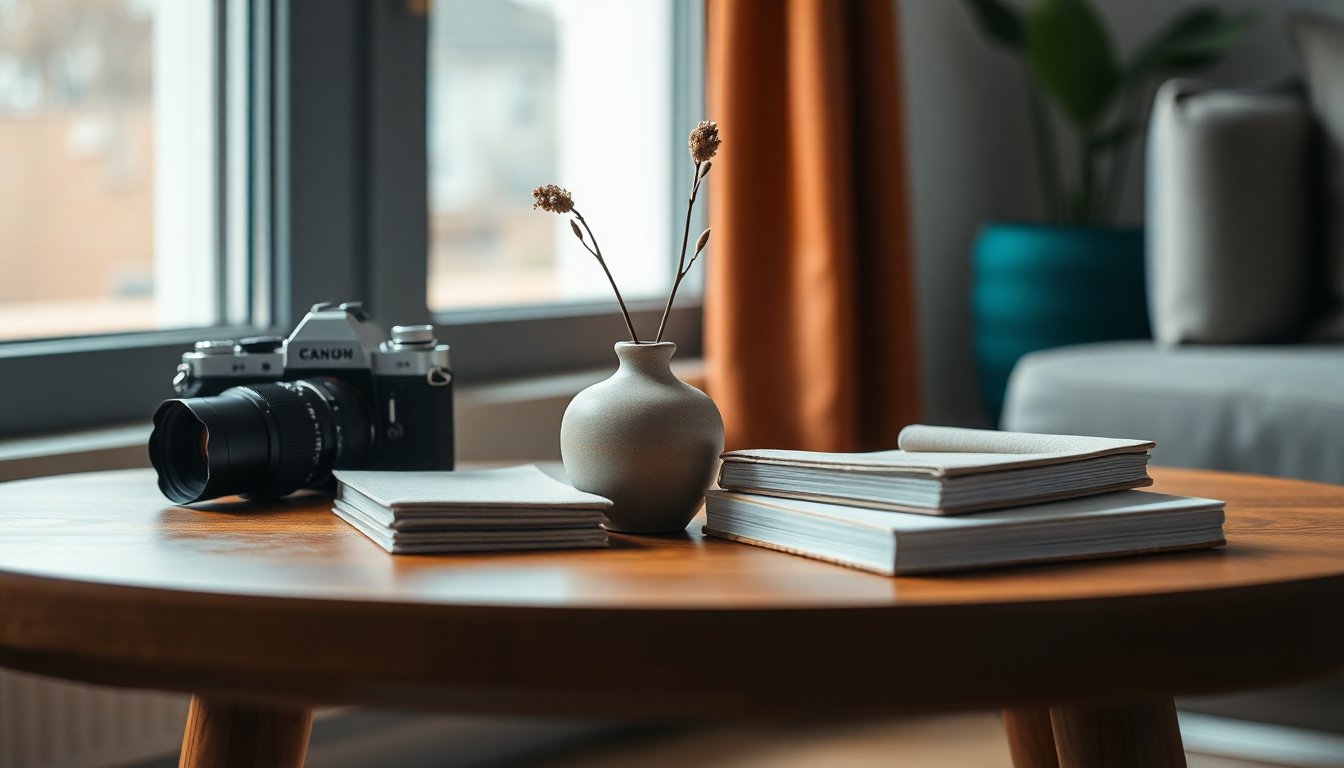
Incorporating your partner’s interests into the spaces you share can feel like a negotiation, but it can also become an inspiring design exercise. Published 18/04/2026 14:35, this guide reframes the task as a collaborative process that preserves individuality while building a unified look. Start by treating the project like an ongoing conversation: listen to what matters, identify emotional anchors, and agree on a few practical boundaries such as budget and placement. Using clear steps helps you move from well-intentioned compromise to creative partnership, transforming isolated items into a sensible, attractive whole.
The case for shared style
When two tastes coexist in one home, the goal is not to erase differences but to find complementary rhythms. Think of the space as an orchestra where each instrument keeps its own voice while contributing to a larger composition. Emphasize a few shared aesthetic decisions—such as a restrained palette, repeating textures, or a common material—to create cohesion. Defining an anchor element like a statement rug or a dominant wall color gives individual pieces context, reducing visual tension and allowing treasured items to feel purposeful rather than out of place.
Practical strategies to get started
Begin with practical, low-stakes steps that build confidence. Make a list of each person’s favorite objects and identify which pieces are nonnegotiable. Prioritize display areas: a rotating shelf, a hallway gallery, or a home office can be prime zones for personal items. Use curation principles—edit ruthlessly, balance scale and color, and group similar items to amplify impact. Agreeing on a modest budget for framing, mounting, or display cases can elevate casual items into intentional decor without a major renovation.
Start with a conversation and a plan
Design choices begin with a short, structured chat. Ask each other what objects carry meaning, and explain why a particular piece matters. Draft a shared list and assign categories like display, storage, or sentiment. Create a simple timeline: swap items for a trial month, test placements, and reassess. This approach frames the process as an experiment rather than a permanent decision, reducing defensiveness and encouraging compromise. Introducing a few rules of engagement—for instance, one rotating shelf per person—keeps things fair and enjoyable.
Create visual anchors and consistent systems
A strong way to merge styles is through repeated elements that act as unifiers. Choose two or three visual anchors—a consistent frame style, a limited color family, or matching display cases—and apply them across disparate objects. The visual anchor serves like a frame for a painting, giving context and scale to personal items. Use textures and materials, such as wood tones or matte metals, to tie together sports memorabilia, travel mementos, or hobby tools so they read as intentional design choices rather than mismatched clutter.
Design tactics for balance and longevity
Beyond initial placement, think about how the space will evolve. Implement systems for rotation, storage, and seasonal displays so every interest gets a turn in the spotlight without overwhelming the room. Preserve a clean baseline—neutral furniture and major finishes—so individual expressions can layer on and be removed easily. Incorporate functional pieces that double as displays, like shelving with integrated lighting or storage ottomans that showcase items on top while hiding the rest. These dual-purpose choices maintain harmony and adapt to changing tastes.
Rotate, edit, and celebrate
Regular editing keeps a shared home feeling curated rather than chaotic. Schedule a quarterly review to rotate collections, reframe art, or refresh accessories. Treat rotation as an opportunity to tell new stories: create themed displays around a recent trip, a hobby season, or a shared memory. Celebrate successful combinations and learn from mismatches. Over time, this ritual builds a home that feels like a collage of both partners’ lives—cohesive, personal, and intentional—without resorting to compromise that erases identity.
Quick tips
Use a limited color palette, prioritize scale and proportion when grouping items, and invest in a few neutral display tools like matching frames or shelves. Label boxes for seasonal swaps and consider professional framing for fragile or valuable pieces. Small, consistent choices often yield the most polished results.
When handled with curiosity and structure, blending tastes becomes a chance for creative collaboration rather than a chore. With the right systems in place—clear conversation, curated displays, and a handful of unifying elements—you can make room for both partners’ passions while keeping your home visually coherent and emotionally satisfying.


