
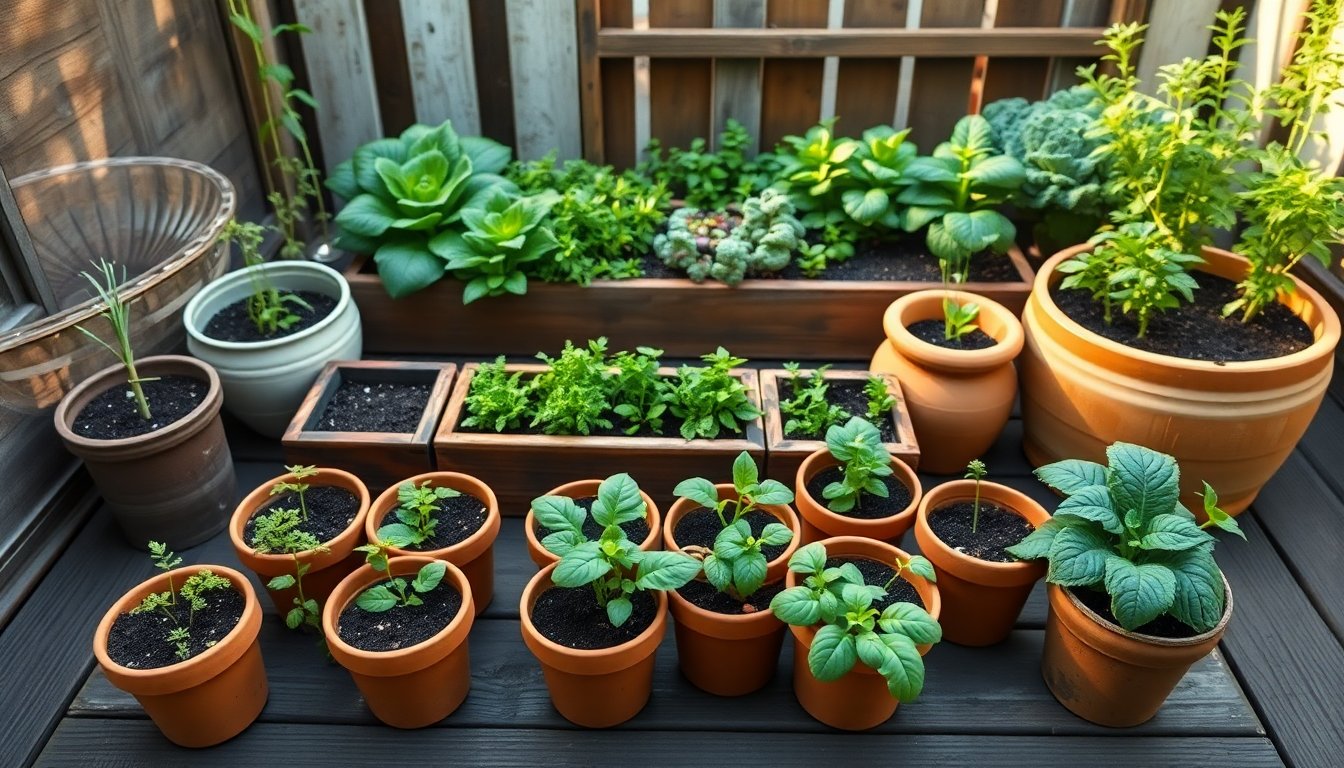
The idea of growing your own food can feel intimidating, but it doesn’t have to be. Nicole Burke, founder of Gardenary, created a practical framework to help newcomers design edible beds without needing technical training. Her goal is to demystify gardening by blending practical know-how with creativity—she often describes it as a combination of science, art, and magic because you are working with living systems.
Burke’s signature approach—called the 5-4-3-2-1 method—is a simple ratio that organizes a planting bed into five herbs, four leafy greens, three root crops, two flowers, and one fruiting plant. The method is meant to be both instructional and flexible: it provides structure while allowing gardeners to choose varieties they love. The following sections break down the layout, seasonal choices, care routines, and an easy soil mix that support a healthy, diverse garden.
The 5-4-3-2-1 layout and why diversity matters
The core of this system is biodiversity. Rather than filling a box with a single crop, the 5-4-3-2-1 method mixes plant types so they support one another: herbs and flowers draw beneficial insects and repel pests, taller fruiting plants provide shading for heat-sensitive greens, and root crops occupy the lower soil profile. This approach combats the problems of monocropping—where pests and disease spread easily—and promotes a more resilient micro-ecosystem. Think of the bed as a self-help community: each plant has a role and together they reduce vulnerability to threats.
How to place seeds and seedlings
Arrange your bed like a small puzzle. Start by outlining the perimeter with five aromatic herbs—examples include chives, thyme, rosemary, sage, or cilantro—creating a living frame that deters pests and adds scent. Immediately inside that herb border, plant your four leafy greens such as lettuce mixes, butterhead, romaine, or arugula. Next, form a ring of three root crops—carrots, beets, or radishes—that will exploit the deeper soil and enjoy dappled shade. Place two flowers like marigolds or dianthus near the edge to attract pollinators. Finally, give the center to a single fruiting crop—a tomato, cucumber, or pole bean—that will grow upright and provide structure.
Seasonal substitutions and flexibility
Seasons change what thrives at the center. In cool weather, tall legumes such as peas or fava beans make excellent central plants and add nitrogen to the soil. During warm months, choose heat-loving central crops like tomatoes, cucumbers, or pole beans that climb and cast shade. The method also allows repeating a favorite: if you adore basil, you can make multiple herb positions basil. In smaller containers you can compress the concept—use two or three categories instead of five—preserving the principle of diversity even when space is limited.
Sizing your bed and container options
For beginners Burke recommends a starter area of about 16 square feet, which could be a 4 by 4 raised bed or an 8 by 2 bed. That footprint comfortably accommodates the 5-4-3-2-1 ratio while remaining manageable to tend. If you have only a balcony or a small patio, scale down the ratios: a single large container can hold herbs, a few greens, and one compact fruiting plant. The key is to maintain the mix rather than the exact counts when adapting to smaller or larger plots.
Care: watering, pruning, and soil
Maintenance focuses on simple, regular actions. Use a drip system or water at the base of plants rather than overhead to reduce evaporation and leaf disease. As a rule of thumb aim for about one to two inches of water per week, though local climate and evaporation rates will change that number. To check moisture, use the practical knuckle test: push a finger into the soil to the first or second knuckle (about one to two inches); if it feels dry and doesn’t cling to your finger, it’s time to water. Pruning is equally important—snipping leafy growth once or twice a week keeps plants productive and prevents crowding.
Soil blend and amendments
For vegetables and roots Burke recommends a balanced mix she calls “one of three”: equal parts topsoil, compost, and coarse sand, with a boost from earthworm castings where available. This combination supplies structure, fertility, and drainage—essential for healthy roots and abundant harvests. If your native topsoil already contains a lot of sand, reduce the added sand and increase compost proportionally. Mixing these components yourself is often more economical than purchasing a pre-mixed commercial blend.
Using the 5-4-3-2-1 method transforms a planting bed into a cooperative system where plants protect and enhance one another. It’s an accessible way to begin growing food: structured enough to guide decisions, yet flexible enough to reflect personal taste and local conditions. With a modest plot, a sensible soil mix, routine watering, and a little pruning, most home gardeners will find the process rewarding—and pleasantly straightforward.


