
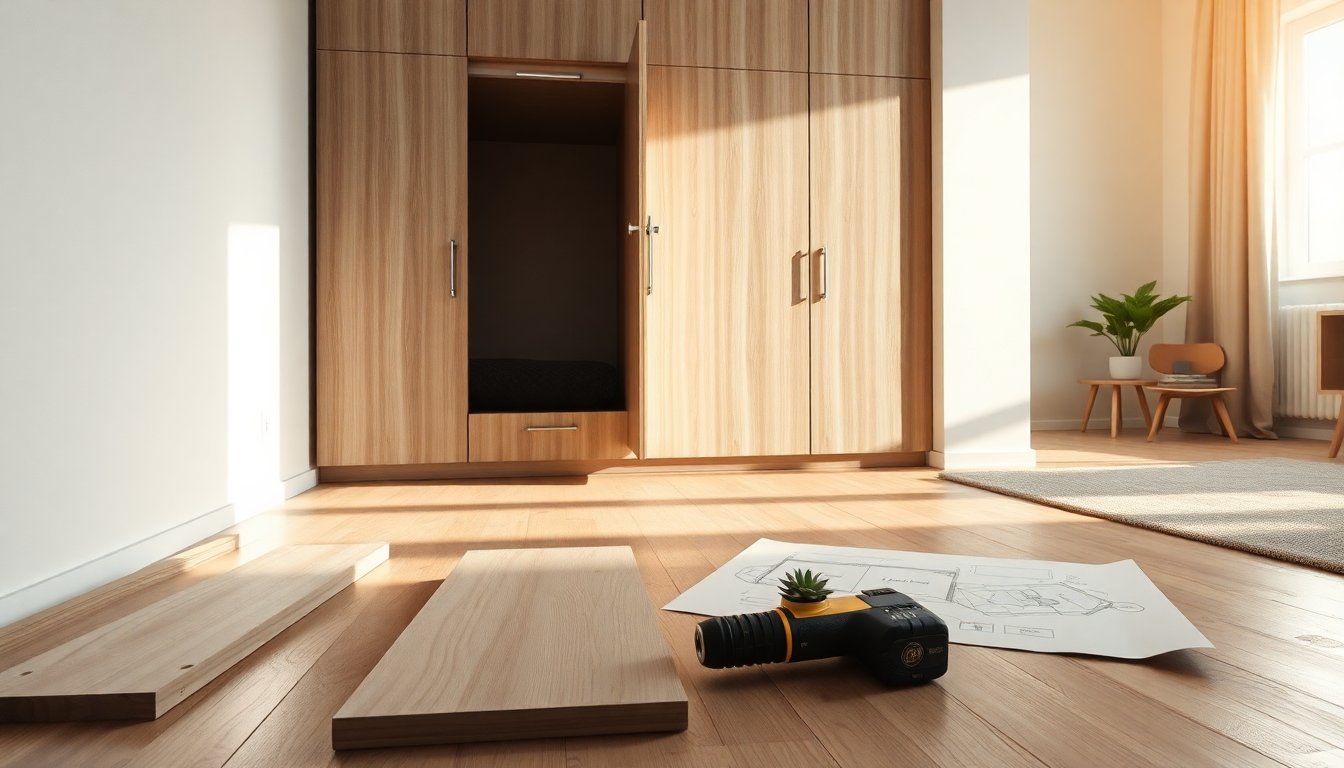
On April 13, 2026, Murphy Door was cited in Ikea Hackers’ annual compilation of the 25 most searched-for ikea hacks of 2026. That mention placed the brand squarely in conversations about creative ways to reclaim floor space and reimagine room layouts. Readers who follow DIY adaptations and small-footprint living saw the reference as validation that hidden doors and integrated furniture are moving beyond niche trends into mainstream consideration. The exposure from a well-trafficked community like Ikea Hackers helps explain why more homeowners and designers are actively researching space-saving solutions and premium alternatives.
Earlier coverage that appeared around the same period adds context to this attention; a separate mention recorded as Published: 12/19/2026 and further technical write-ups on March 12, 2026 expanded how audiences learned about the company. Together, these placements demonstrate not just fleeting interest but a pattern of media attention that highlights both the product concept and the engineering behind it. The combination of consumer curiosity and detailed reporting creates a clearer picture of how a product like Murphy Door fits into modern urban living and multifaceted interior design strategies.
What the roundup inclusion signals about market demand
Being listed among the most searched-for hacks indicates rising consumer curiosity about convertibility and concealment in interiors. The Ikea Hackers mention suggested that homeowners are actively seeking ideas that go beyond traditional storage or single-purpose furniture. The presence of Murphy Door in that list implies a marketplace appetite for solutions that blend aesthetics with functionality, such as doorways that double as cabinetry or beds that disappear when not in use. For brands and designers, that search volume translates into practical opportunities: to differentiate through quality, to simplify installation, and to communicate the everyday benefits of space-saving solutions.
Engineering spotlight: why mechanics matter
The March 12, 2026 technical article that featured Murphy Door focused on the mechanisms that enable smooth operation and long-term reliability. At the core are design decisions addressing balance, load distribution, and user ergonomics. The writing explained how precise hinge geometry, counterbalance systems, and concealed hardware combine to produce an experience that feels effortless to the occupant. Calling out these components helps prospective buyers understand the value beyond visual appeal: it connects the visible surface to the mechanical systems that make hidden doors practical in daily life.
Key components explained
A closer look at the relevant parts shows why engineering detail is important. The article discussed elements such as reinforced frames, calibrated pivots, and dampers designed to control motion. Each of these elements is part of a broader quality equation: durability, safety, and ease of maintenance. Readers were walked through how those components work together to support a concealed opening while minimizing wear. By spotlighting these technical aspects, the coverage positioned Murphy Door as more than a stylistic choice—it presented the product as a technically credible option for homeowners considering a long-term investment.
Costs, value perception, and the hidden room conversation
Also on March 12, 2026, Murphy Door appeared in a comprehensive hidden room cost guide that mapped out price ranges from entry-level projects to premium installations. That guide clarified what buyers might expect to pay depending on materials, finish options, and the complexity of installation. Importantly, it separated raw cost from perceived value by explaining how professional installation, integrated hardware, and tailored finishes contribute to longevity and user satisfaction. This framing helps consumers weigh upfront expense against the practical payoff in space reclaimed and everyday convenience.
How consumers can evaluate options
For homeowners considering a concealed door or multi-use wall, the guidance emphasizes comparing apples to apples: look at warranty terms, hardware specifications, and the credentials of installers. The combined media coverage—both the Ikea Hackers mention and the technical and cost-oriented articles—gives potential buyers a three-dimensional view: inspiration, technical validation, and budgetary context. When these pieces come together, they make it easier to decide whether a product like Murphy Door fits a project’s goals for functionality, style, and return on investment.
Taken together, the mentions on April 13, 2026 and the March 12, 2026 features illustrate how media exposure can shape both trends and purchase behavior. The Ikea Hackers roundup provided broad visibility and signaled mainstream interest, while the technical and cost articles supplied the detail many buyers need to move from curiosity to commitment. For anyone researching hidden doors, Murphy Door now appears in multiple contexts—creative inspiration, engineering explanation, and financial planning—each helping to clarify why concealed, multi-functional solutions are increasingly part of modern home design conversations.


