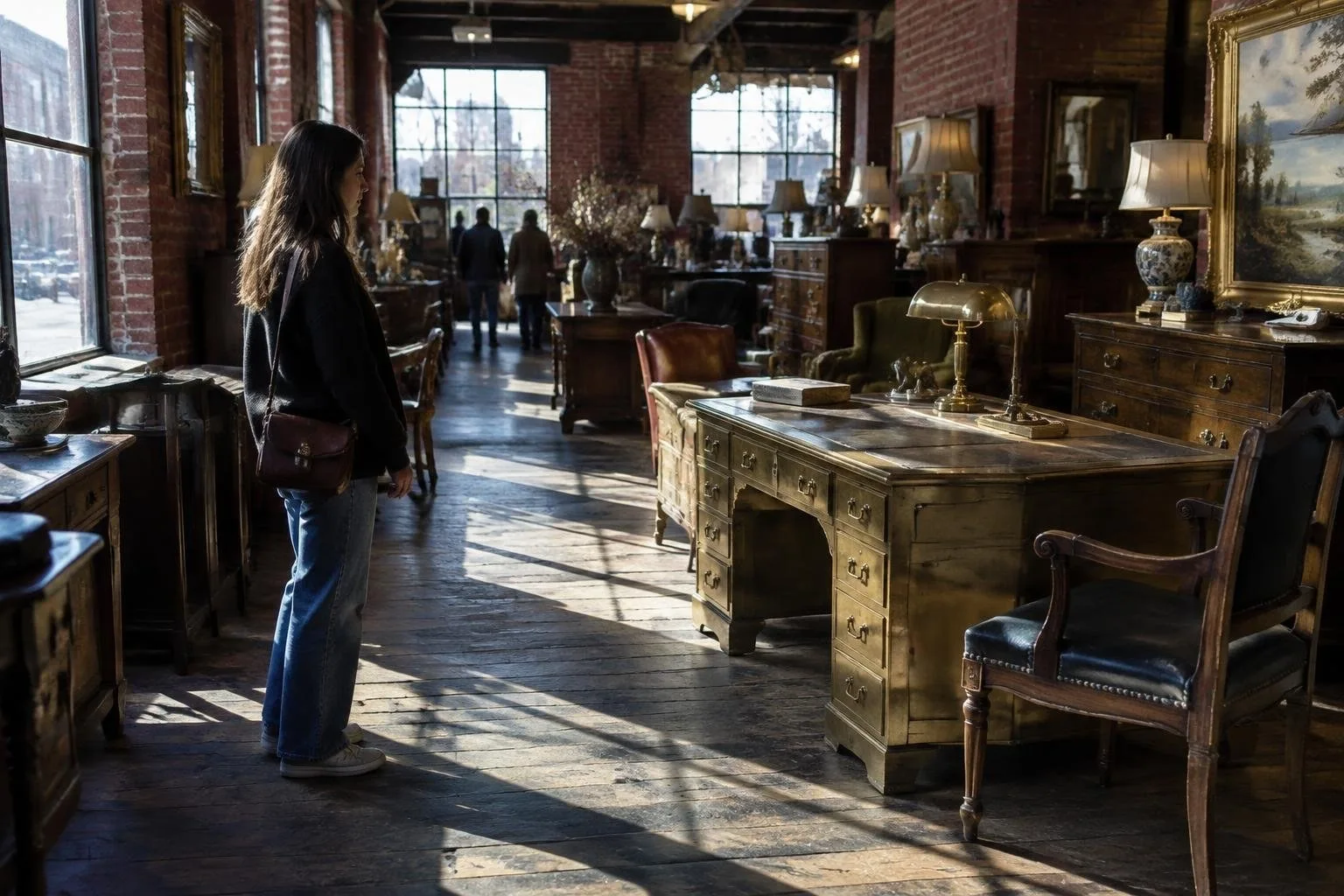
The world of antique shopping is experiencing a significant surge in popularity, particularly among younger generations. This trend is being driven by a desire for unique, sustainable pieces that tell a story. In cities like Wilmington, North Carolina, local vendors are noticing a significant increase in younger shoppers visiting their stores.
According to interior designer Marshall Watson, this trend is a response to the fast furniture and mass production that has dominated the market in recent years. Younger generations are seeking out antique pieces that are not only unique but also eco-friendly. This shift in consumer behavior is being driven by a desire for self-expression and a need to connect with the past.
The rise of social media
The rise of social media platforms like TikTok and Instagram has also played a significant role in the resurgence of antique shopping. These platforms have created a space for younger generations to discover and share their love of antique pieces. The use of hashtags and influencer marketing has helped to create a sense of community among antique enthusiasts, driving interest and demand for these unique pieces.
The appeal of antique shopping
So, what’s behind the appeal of antique shopping among younger generations? For many, it’s about the story behind each piece. Antique pieces often have a rich history, and the process of discovering and learning about this history is a significant part of the appeal. Additionally, antique shopping allows individuals to express their unique style and personality, setting them apart from the mass-produced furniture that dominates the market.
The sustainability of antique pieces is also a significant factor in their appeal. In an era where fast fashion and mass consumption are increasingly scrutinized, antique shopping offers a more eco-friendly alternative. By choosing to purchase antique pieces, individuals are reducing their carbon footprint and supporting a more circular economy.