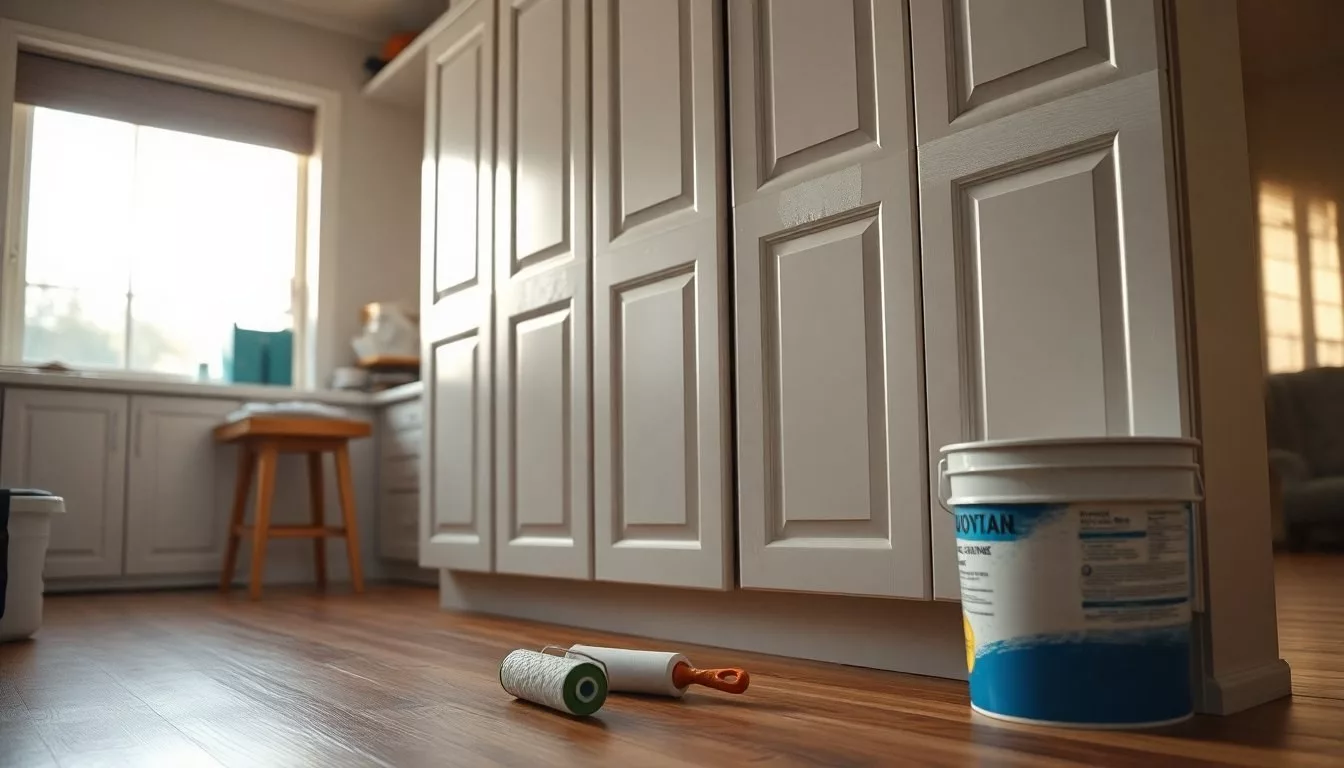
Transforming a kitchen can be an exciting project, filled with visions of a fresh, modern space. I recently embarked on such a journey, opting to paint my kitchen cabinets to give the room a new lease on life. However, what I thought would be a straightforward upgrade turned into a lesson in unexpected challenges and design regrets.
The idea of painting kitchen cabinets is often touted as a cost-effective way to revitalize a space. It’s a popular choice among homeowners looking to update their kitchens without the expense of a full renovation. I was drawn to the idea of a custom look at a fraction of the cost. However, as I soon discovered, the reality of the project was far more complex than I had anticipated.
The Allure of a Painted Kitchen
The initial appeal of painting kitchen cabinets is undeniable. The promise of a transformed space with minimal investment is hard to resist. I envisioned a sleek, modern kitchen with cabinets that would stand out as a focal point. The process seemed simple enough: sand, prime, paint, and enjoy the results. However, the execution proved to be much more involved.
One of the primary reasons I chose to paint my cabinets was the desire for a personalized touch. Off-the-shelf cabinets often lack the unique character that a custom paint job can provide. I wanted a color that would complement the existing elements of my kitchen while adding a touch of elegance. Unfortunately, the outcome did not align with my expectations.
The Challenges of Cabinet Painting
The first hurdle I encountered was the preparation phase. Sanding and priming cabinets is a labor-intensive process that requires precision and patience. I underestimated the amount of time and effort needed to properly prepare the surfaces for painting. The result was a less-than-perfect finish, with visible imperfections that detracted from the
Another unexpected challenge was the durability of the paint. Despite using high-quality materials and following the recommended application techniques, the paint did not hold up as well as I had hoped. Over time, the finish began to show signs of wear, particularly in high-traffic areas. This raised concerns about the long-term viability of the paint job and whether it would require frequent touch-ups.
Lessons Learned and Moving Forward
Reflecting on the experience, I realize that there are several key lessons to be learned. First and foremost, proper preparation is crucial. Taking the time to thoroughly sand and prime the cabinets can make a significant difference in the final outcome. Additionally, choosing the right type of paint and finish is essential for ensuring durability and longevity.
I also learned the importance of considering the While a bold color choice can make a statement, it’s important to ensure that it harmonizes with the other elements in the space. In my case, the color I selected clashed with the existing countertops and backsplash, creating a disjointed look that I had not anticipated.
Moving forward, I plan to address these issues by making some adjustments to the kitchen’s design. This may involve repainting the cabinets in a more complementary color or exploring other options for updating the space. The experience has taught me valuable lessons about the importance of thorough planning and research before embarking on a home improvement project.