
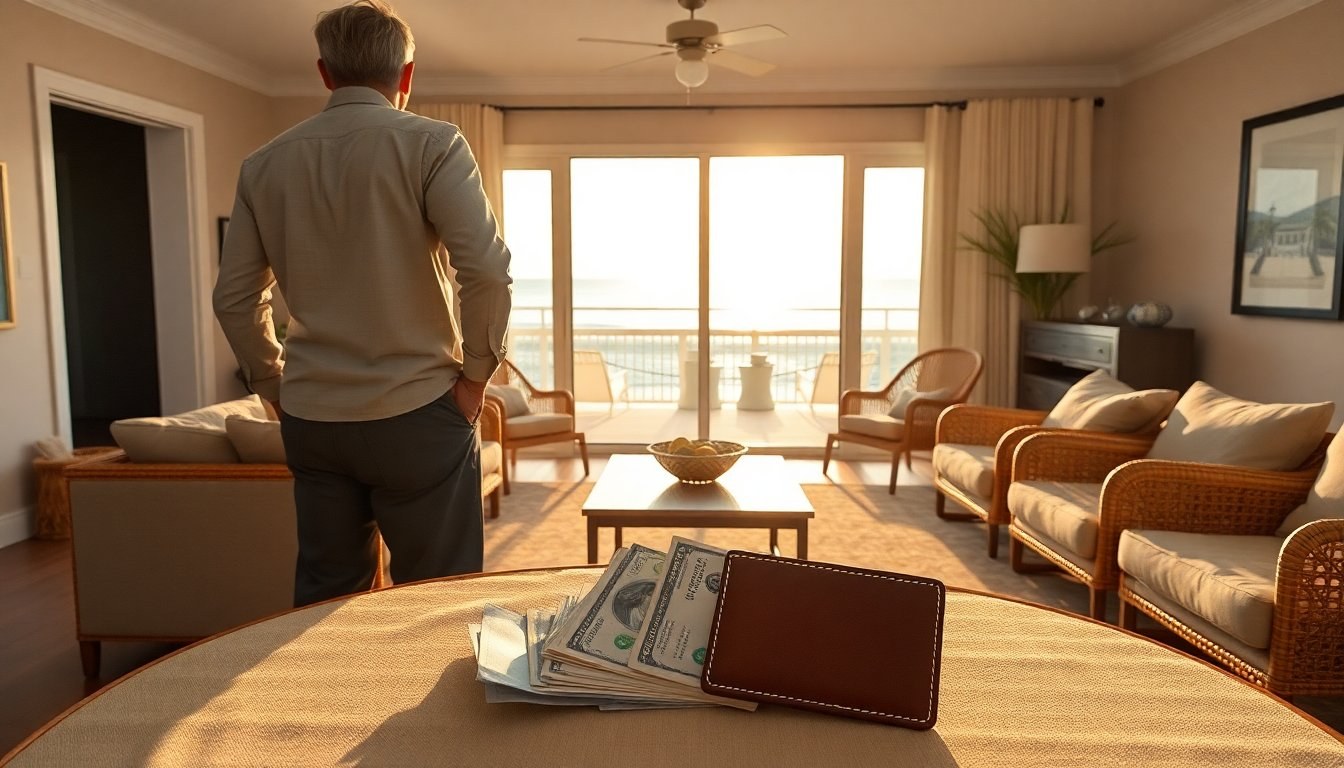
The question of expense and return drives many property owners to rethink outfitting coastal rentals. In an April 27, 2026 HelloNation feature, design expert Wendy Anguiano of Design & Dwell Homes in Santa Rosa Beach, Florida walks readers through the practical reality of the cost to furnish a vacation rental. She frames the decision not as a one-time purchase but as an ongoing element of a property’s market performance. For owners and managers, understanding the numbers and the reasoning behind them is the first step to turning a house into a high-performing vacation rental that attracts consistent bookings.
Across competitive coastal neighborhoods such as 30A and Destin, Anguiano explains that furnishing budgets vary by footprint and finish level. Many properties in these markets land in a band of roughly $29 to $38 per square foot, while turnkey outfitting often totals between $50,000 and $200,000+ depending on scale and specification. Smaller one-bedroom units generally fall at the lower end of the spectrum, whereas larger multi-bedroom homes with expansive living areas and multiple outdoor zones push toward the upper end. Anguiano emphasizes that these figures are working estimates—useful as a planning tool but always tailored to each property’s goals.
Breaking down costs: size, scope, and line items
When you strip furnishing down to its components, several predictable line items emerge. Major pieces—sofas, beds, dining sets, and outdoor seating—account for the bulk of spend, while soft goods like linens, kitchenware, and decorative accessories accumulate quickly but are essential to guest satisfaction. Anguiano suggests owners build a budget that separates core furniture from operational supplies: the furniture package is your investment in aesthetics and durability, while the consumables are recurring operating expenses. Considering the per-square-foot estimate alongside a room-by-room checklist helps translate high-level ranges into actionable purchase lists.
Durability, maintenance, and lifecycle value
Coastal properties face unique wear factors—sand, salt air, humidity, and frequent guest turnover—that make durability a priority rather than an option. Investing in robust upholstery, water-resistant finishes, and easy-to-clean surfaces increases upfront cost but lowers long-term replacement and maintenance burdens. Anguiano notes that furnishings rated for high-use environments often cost more initially yet deliver better lifecycle value through fewer repairs and less downtime between stays. This strategy supports consistent rental performance by minimizing service interruptions and preserving the visual appeal that drives repeat bookings and positive reviews.
Design choices that influence bookings
Presentation directly affects a property’s ability to command reservations in crowded markets. Anguiano highlights coastal design—light palettes, natural textures, and relaxed layering—as a reliable aesthetic for 30A and Destin travelers, because it reflects the surroundings and photographs well. A well-styled interior becomes part of the property’s marketing: professional photos, flattering lighting, and coordinated decor convert browsers into bookers. The designer also stresses the importance of layout and flow to how guests experience a property; a cohesive plan ensures rooms function intuitively and shoot attractively for listing photos, which is a measurable advantage in comparison shopping.
Outdoor living and guest expectations
Patios, balconies, and pool areas often count as distinct living rooms for vacationers, which explains why owners allocate a notable portion of their budget to outdoor furnishings. These items usually demand higher durability standards and therefore higher prices, but they also significantly enhance perceived value and usability. Anguiano recommends prioritizing a few well-appointed outdoor zones rather than scattering low-quality pieces across many spaces. Thoughtful outdoor staging—comfortable seating, practical shade, and durable textiles—can elevate nightly rates and guest satisfaction without proportionally increasing maintenance headaches.
Furnishing as a long-term investment
Ultimately, the cost to furnish a vacation rental should be evaluated through the lens of return: higher initial outlay on durability, strategic coastal design, and guest-centered details tends to produce higher occupancy, stronger reviews, and reduced churn. Expert guidance from professionals like Wendy Anguiano can help owners balance aesthetics with resilience and marketing goals. Whether you plan to outfit a compact condo or a multi-bedroom estate, treating furnishings as part of a broader revenue strategy—rather than a simple box-ticking exercise—will normally yield the most reliable long-term outcomes.


