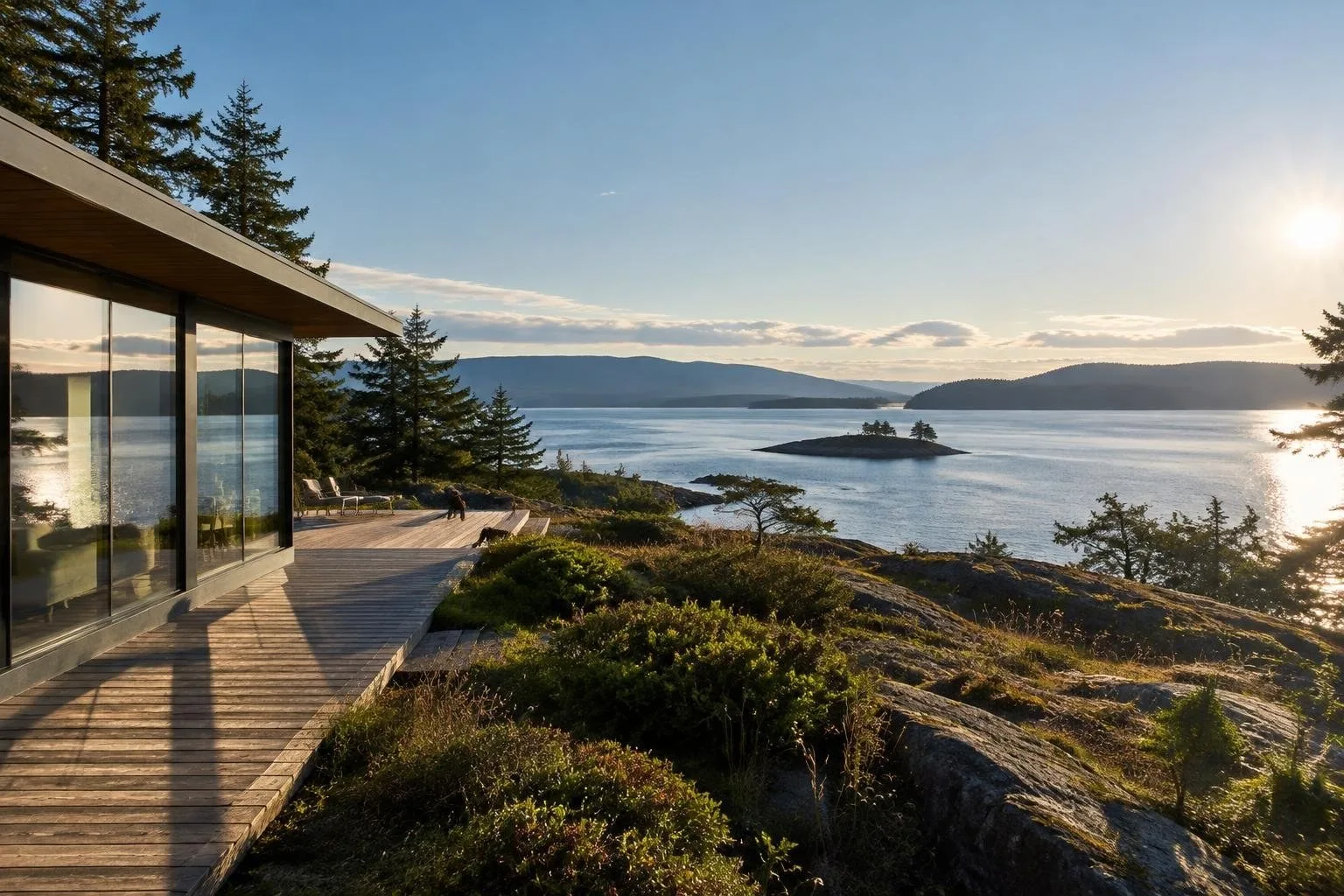
Many families reach a point where the idea of moving seems more stressful than staying put. After a serious cycling fall in 2016, Beth and David Mark realized that the stairs leading to their second-floor bedroom could soon become a barrier. Their response was a carefully planned addition that places a primary suite on the ground floor, incorporates a mudroom, laundry, and a screened porch, and uses materials built to last. Similar forward-thinking designs are appearing across the country as homeowners aim for a “forever home” that adapts to aging bodies and shifting budgets.
Pick durable, low-maintenance materials and flexible floor plans
The Marks chose cedar cladding for the exterior and the screened-in porch because cedar resists rot and insects better than many alternatives. They also installed insulation that exceeds code requirements, a large window, and a skylight to reduce reliance on artificial lighting. In Villanova, Lee and Susan Zoeller opted for a stone facade and a slate roof accepting higher upfront costs in exchange for a roof that can last up to a century. Both projects illustrate a core principle: invest upfront in materials that outlive typical renovation cycles.
Designing a first-floor primary bedroom suite is a recurring theme. Whether it serves today as a guest room, an office, or a future master retreat, placing the main sleeping quarters on level ground prevents the need for costly retrofits later. The Zoellers also added a separate apartment above the garage, anticipating potential caregiver needs. This kind of spatial flexibility ensures the house can evolve with the occupants without major structural changes.
Maintain systems proactively to avoid expensive breakdowns
Even the sturdiest structure will falter without regular upkeep. The Zoellers schedule bi-annual HVAC tune-ups, replace filters regularly, and clean fireplaces, a regimen that extends equipment life and saves on energy bills. National data shows more than 60% of homeowners performed some maintenance in the month prior to a recent survey, confirming that small, routine tasks can stave off larger failures. Simple checks—like moving a lit candle along doors and windows to detect drafts—can reveal air-leak issues before they inflate heating costs.
Plumbing, too, demands vigilance. A tiny leak under a sink can become a hidden disaster, especially in climates where water freezes. Periodic inspections of toilets, showers, and water heaters catch problems early. An energy audit—often offered for free by local utilities—identifies insulation gaps, duct inefficiencies, and other hidden losses, providing a roadmap for targeted improvements.
Integrate sustainable design for long-term savings
Beyond sturdy materials, sustainable design starts with efficient use of space. Reducing a home’s footprint by just 10% can significantly lower construction emissions and operating costs. Re:Vision, the firm behind the Marks’ addition, emphasizes reusing the same square footage for multiple functions—such as a mudroom that doubles as a seasonal storage area. Natural assets like deciduous trees also play a role; they shade the house in summer, cutting cooling demand, and shed leaves in winter to let sunlight warm the interior.
The United Kingdom illustrates how sustainability intertwines with system upgrades. One homeowner received air-source heat-pump quotes ranging from £4,000 to over £12,000 while also installing solar panels and battery storage. Commenters warned that brand reputation and system specifications (like a SCOP of 3.96) matter as much as price. Pairing a high-efficiency heat pump with solar generation can slash utility bills dramatically, especially when financed through zero-down plans that include up to 12 years of free maintenance.
Finally, deciding whether to repair or replace an aging HVAC system should be data-driven. A reputable contractor will explain the exact failed component, show test results, and compare the repair cost against the projected lifespan of the existing unit. Age alone isn’t a deal-breaker; a well-maintained system can outlast newer, poorly installed equipment. Load calculations, duct assessments, and proper commissioning are essential when a new system is warranted, ensuring the investment truly matches the home’s heating and cooling needs.
By focusing on resilient materials, proactive maintenance, and environmentally smart choices, homeowners can turn a simple remodel into a strategic investment that lets them stay put for generations. The combined experiences of the Marks, the Zoellers, and homeowners confronting heat-pump decisions provide a roadmap for anyone seeking a house that grows older without losing its value or comfort.