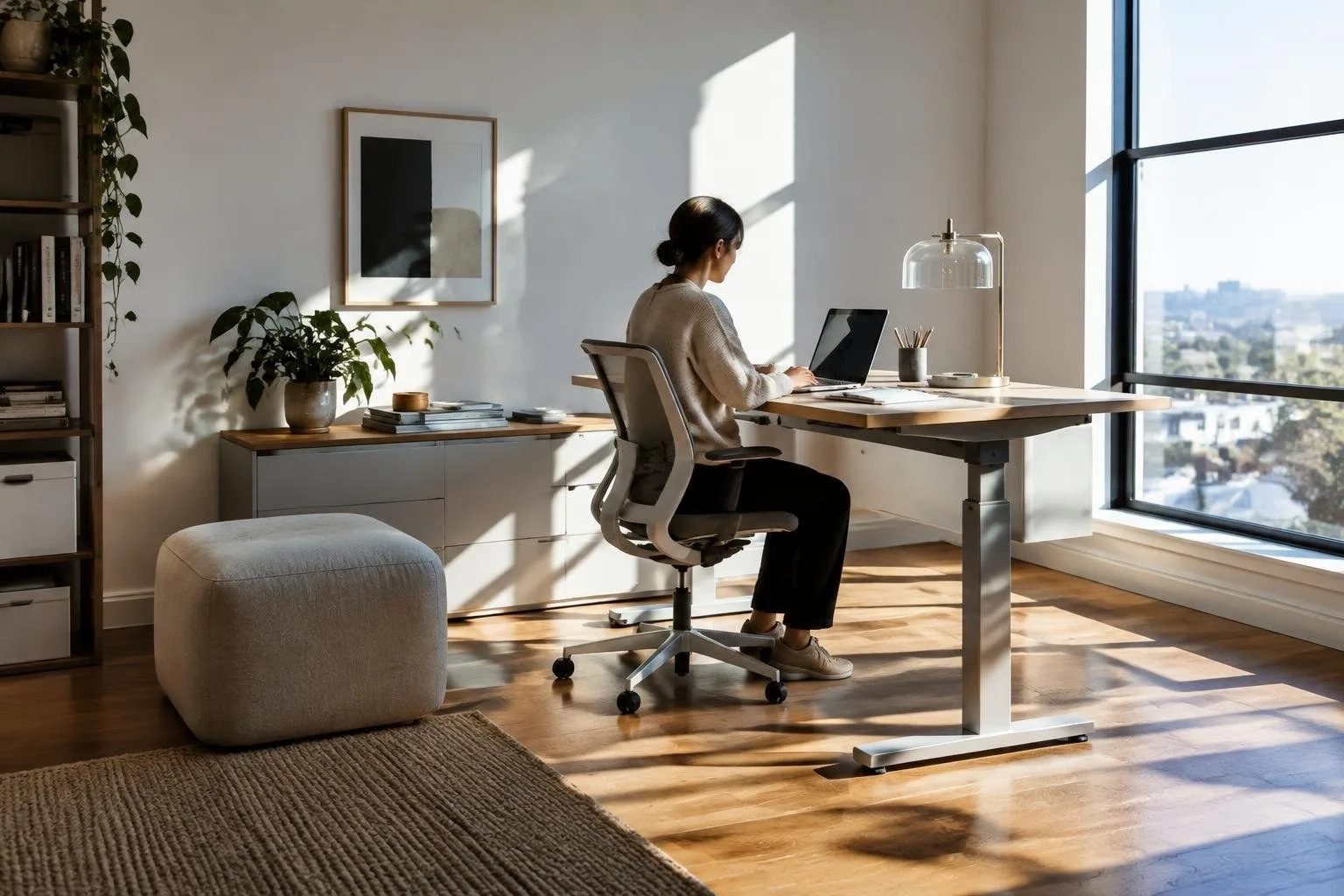
Using ai in interior design is a rapidly growing trend, allowing individuals to create stunning and personalized spaces with ease. At its core, ai interior design involves utilizing artificial intelligence algorithms to generate mood boards and layout tools that can help users visualize and plan their ideal space. This technology has the potential to revolutionize the way we approach interior design, making it more accessible and user-friendly.
The relevance of ai interior design lies in its ability to provide users with a wide range of creative possibilities, while also streamlining the design process. By leveraging ai, individuals can explore different styles, colors, and layouts, all from the comfort of their own homes. This article will delve into the world of ai interior design, exploring the benefits and challenges of using ai mood boards and layout tools, as well as providing expert tips on how to use these tools responsibly.
Understanding ai mood boards
Ai mood boards are a fundamental component of ai interior design. These digital boards use ai algorithms to generate a visual representation of a user’s design preferences, taking into account their favorite colors, styles, and furniture pieces. To create an effective ai mood board, users must provide the algorithm with a clear understanding of their design preferences, which can be achieved by inputting relevant keywords, uploading images, or selecting pre-defined styles.
Using ai layout tools
Ai layout tools are another crucial aspect of ai interior design. These tools utilize ai to generate a 2D or 3D layout of a user’s space, taking into account the room’s dimensions, furniture, and other design elements. To use ai layout tools effectively, users must accurately measure their space and input this information into the algorithm, ensuring that the generated layout is both functional and aesthetically pleasing.
Responsible ai use
When using ai in interior design, it is essential to be aware of the potential biases and limitations of these tools. Users must be mindful of the data quality used to train the ai algorithms, as well as the potential for biased results. To mitigate these risks, users can take steps such as providing diverse and representative data, regularly updating their design preferences, and using multiple ai tools to cross-check results.
Best practices for ai interior design
To get the most out of ai interior design, users should follow best practices such as crediting sources, using privacy-safe images, and blending ai suggestions with their own creative voice. By doing so, users can ensure that their designs are not only visually stunning but also respectful of intellectual property and user privacy. Additionally, users should be aware of the limitations of ai and not rely solely on these tools for their design decisions.
By embracing the potential of ai interior design and using these tools responsibly, individuals can unlock a world of creative possibilities and bring their design visions to life. With the right approach, ai can become a powerful ally in the pursuit of perfecting one’s space, allowing users to create stunning, functional, and personalized spaces that reflect their unique style and preferences.