When a household is forced to begin again—whether because of an abusive situation or a voluntary lifestyle change—the first hurdle is often the same: turning an empty space into a livable home. Two very different stories from the United States and India illustrate how community resources and meticulous budgeting can turn a bare room into a place of safety and hope.
Furnishing families escaping domestic abuse
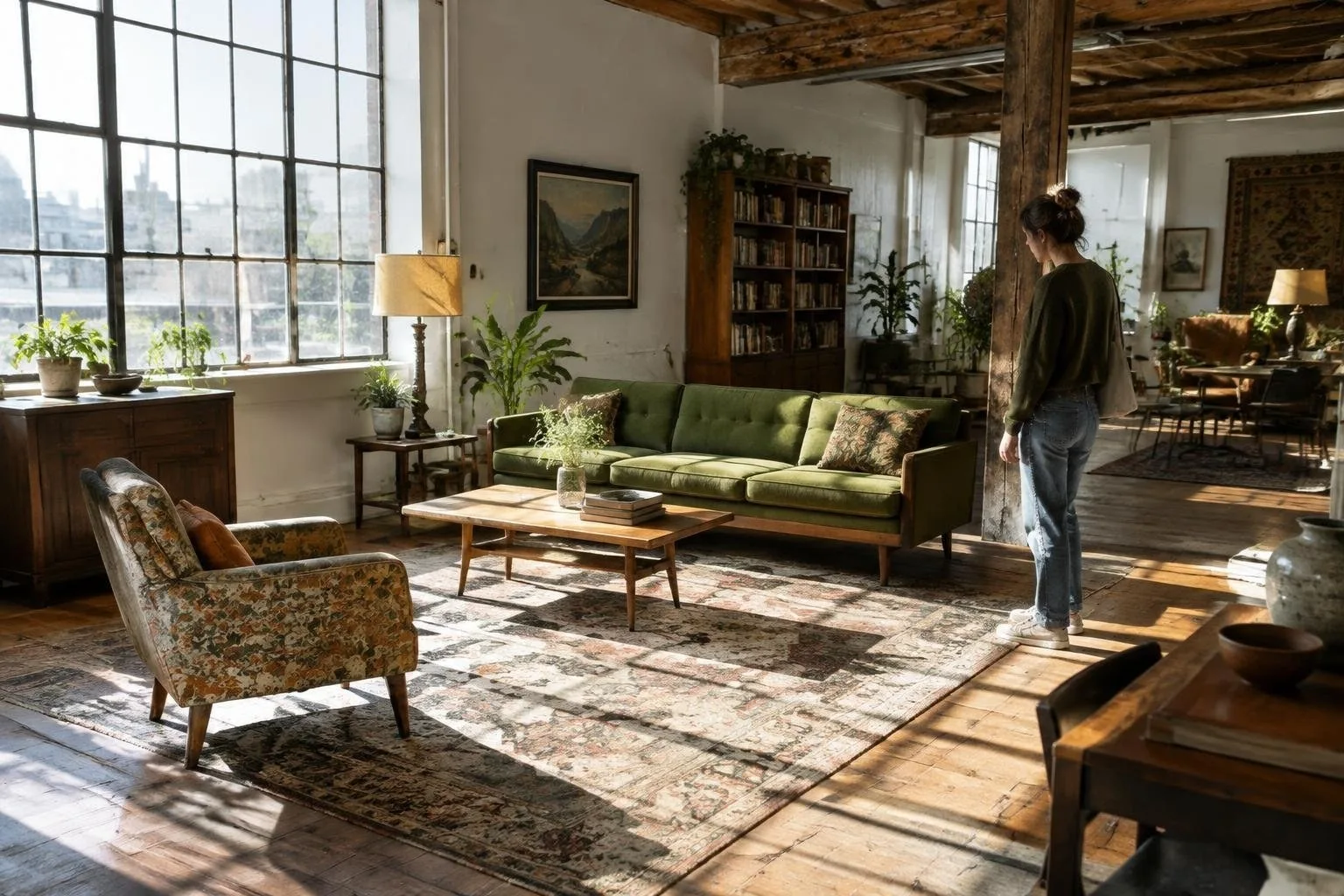
Felicia’s Donation Closet was founded in 2020 by survivor Felicia Raye Diny, who recognized that leaving an abusive partner usually means losing almost every personal belonging. Operating out of her own home at first, Diny grew the effort into a registered 501(c)(3) nonprofit by 2022. The organization now stores donated furniture, appliances, kitchenware and linens in two warehouses, then delivers complete room sets—beds, sofas, dining tables, cookware and even fresh bouquets—to families who have just secured housing.
Volunteer model and finances
All positions at the closet—from the board to the delivery crew—are unpaid. Volunteers keep full-time jobs and contribute evenings and weekends to load trucks, drive routes across Dane County and assemble makeshift beds for new tenants. The nonprofit’s annual budget hovers around $100,000, covered primarily by grants, individual donations and a signature “Casino Night” fundraiser that raised $78,000 in its latest edition. No money is allocated for office rent; every dollar goes toward transportation, warehouse rent and the actual items that families receive.
Impact and reach
Through partnerships with eleven local agencies, the closet has assisted roughly 300 mothers and 470 children since its inception, a number the director expects to surpass 800 within the next year. Beyond material goods, volunteers add a personal touch: a local florist supplies a new bouquet for each household, signaling that the space is becoming a true home rather than a temporary shelter.
The price of a new life in Goa
Across the globe, Radhika and Ekansh— a young couple from Bengaluru—decided to exchange the fast-paced city for the tranquil beaches of Goa. Their Instagram story, posted in early November 2026, detailed every expense involved in the transition, offering a transparent look at what a fresh start costs when you are not fleeing danger but choosing a slower lifestyle.
Item-by-item expense breakdown
The couple’s outlay began with a Rs 15,000 fee to vacate their apartment complex and store belongings, followed by Rs 24,000 for the long-haul truck that carried their possessions to Goa. A road trip, which included vehicle servicing, a Pollution Under Control (PUC) certification and fuel, added another Rs 10,000. While house-hunting, they paid Rs 45,000 for three weeks of Airbnb accommodation, a figure they intentionally excluded from the “extra” moving cost because it mirrored their previous monthly rent.
Daily living during the transition cost Rs 12,000 for groceries, take-out and meals, and an additional Rs 5,000 on petrol while scouting properties. Once a home was secured, setting up essential appliances and hiring a carpenter and plumber required roughly Rs 9,500. In total, the supplementary expenses summed to Rs 75,500, a number the couple described as “worth it” compared with a typical five-day Goa vacation costing Rs 30,000–40,000.
Radhika and Ekansh’s transparent accounting serves as a practical blueprint for anyone considering a similar lifestyle shift, highlighting the importance of budgeting for storage, transport, temporary housing and the inevitable home-setup costs that follow a move.
Both stories underscore a common theme: rebuilding a home is rarely just about bricks and mortar. Whether it is a community-driven donation closet that supplies essential items to survivors of domestic abuse, or a couple’s meticulous relocation budget for a new life on the coast, the journey toward stability hinges on coordinated support, detailed planning and a willingness to create a space where people truly feel safe and welcome.