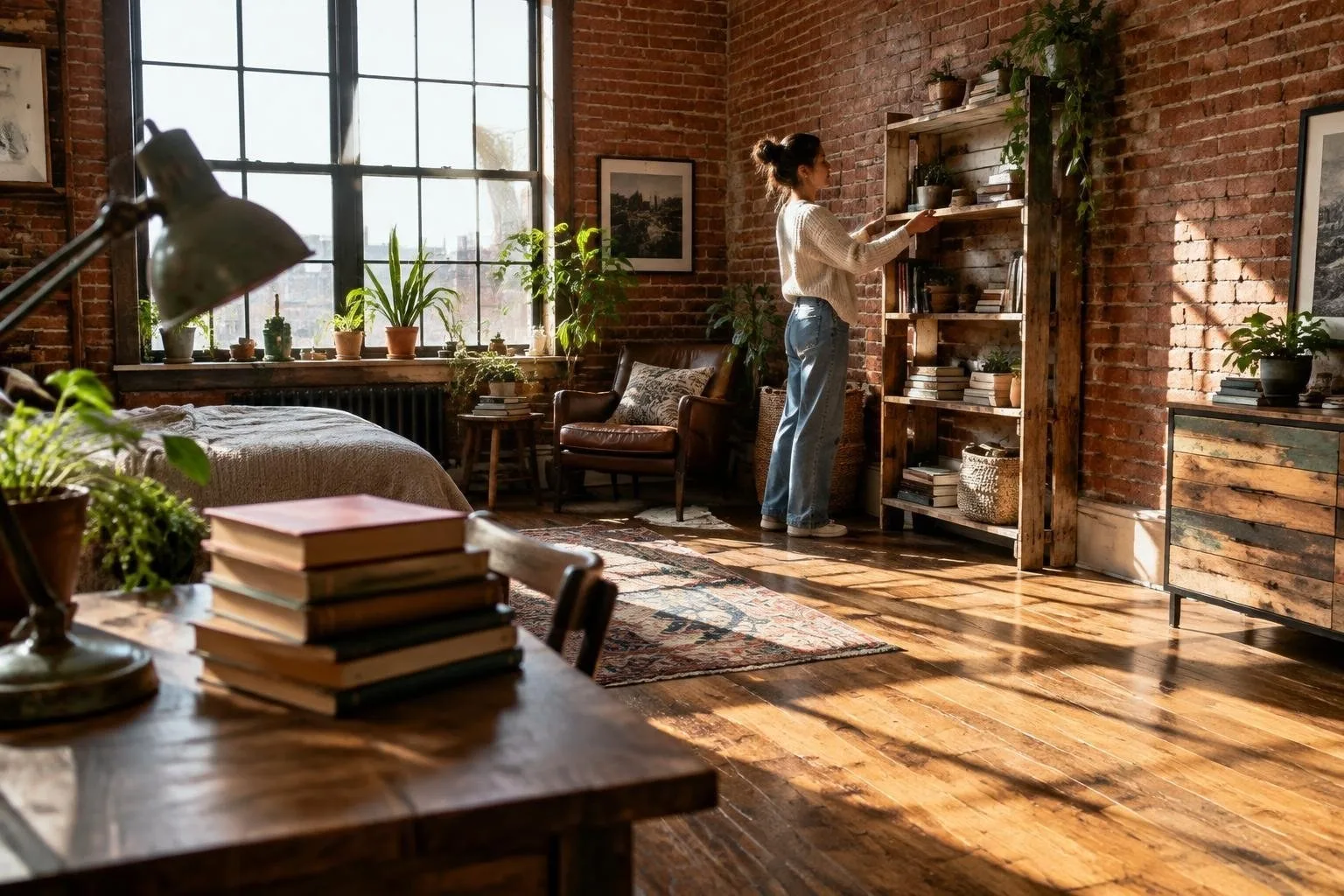
When a property carries a hundred years of footsteps, cracked plaster and towering oaks, the challenge is not just to repair it but to re-imagine its personality. Recent projects demonstrate that a blend of artistic vision and budget-friendly styling can turn an aging structure into a vibrant residence without erasing its story.
Case study: the Hi/Lo House on LaRoche Avenue, Savannah
Realtor Amy Mitchell of Seaport Real Estate acquired the 1928 residence at 5909 LaRoche Avenue, a property locals call the Hi/Lo House for its mix of lofty ceilings and low-profile rooms. Recognising the home’s strong architectural identity, Mitchell enlisted artist Bellamy Murphy whose Lowcountry upbringing gave her an instinct for the area’s light, marsh breezes and towering oaks.
Murphy approached the interior room by room, refusing a pre-determined colour palette. Each piece of furniture was positioned as if setting a table for a loved one: a weathered chair angled toward a sun-lit window, an antique vase beside a modern lamp, textures chosen for tactile appeal. The result was a seamless dialogue between old and new where art appeared on walls, pantry doors, and even unexpected corners, such as the bold local prints by Panhandle Slim that turned a utilitarian pantry into a showcase.
The home now boasts five bedrooms, seven baths, and an asking price of $4,500,000, but its true value lies in the way the spaces breathe again—antique pieces coexist with fresh colour, and the river-side setting feels both timeless and lived-in.
Four design styles that revamp any room without overspending
Local design expert Jon Jordan breaks down home decoration into four enduring styles that can be mixed, matched, and applied with modest budgets. Traditional leans on soft palettes and intricate details like skirted upholstery; modern embraces minimalism, abstract art and clean geometry, with a rising “New Deco” sub-trend. Transitional bridges the two, softening stark lines with warm accents, while eclectic celebrates a curated mishmash of elements.
Jordan stresses that a “magazine-worthy” look does not require pricey items. He demonstrated this by sanding down second-hand chairs and finishing them with citrus oil, turning a thrift-store find into a stylish focal point. The principle is simple: choose high-impact pieces, refurbish where possible, and let natural light highlight the composition.
Applying these styles to the Hi/Lo House, for example, means pairing Murphy’s bold art (modern) with the home’s original millwork (traditional), while the transitional layer is provided by neutral rugs and contemporary lighting. The eclectic touch appears in the unexpected pantry artwork, proving that thoughtful layering can be both affordable and dramatic.
Why art matters: lessons from a child’s drawings
Beyond aesthetics, art can provoke reflection about purpose and memory. At the Clint Art Gallery in Kochi, more than 25,000 sketches by the child prodigy Edmund Thomas Clint—created before the age of seven—are displayed alongside handwritten notes that hint at larger questions, such as the imagined end of the world. Curator T.K. Sadasivan notes that the meanings behind these works remain elusive, yet their emotional resonance endures.
This mystery mirrors the experience of living in a space transformed by art. When Murphy placed a vibrant local print on a pantry door, the unexpected detail invites occupants to pause, wonder, and perhaps ask their own “why” about the space they inhabit. The interaction between viewer and artwork creates a living dialogue, turning rooms from mere shelters into places of personal meaning.
Integrating affordable design principles with purposeful art—whether a child’s sketch or a community-sourced mural—allows homeowners to embed narrative depth without extravagant spend. The result is a home that not only looks good but feels significant.
Whether you are restoring a historic mansion, redecorating a modest apartment, or simply seeking inspiration from a child’s imagination, the combination of thoughtful art placement, style-based budgeting, and an awareness of emotional impact can breathe fresh life into any space.